
How to Prepare for Your Custom Home Design Selections
Choosing the finishes for a custom home is one of the most exciting parts of the building process. It is where the ideas you have collected begin to take shape through flooring, paint colors, countertops, tile, lighting, fixtures, and other details.
Still, seeing so many options at once can feel overwhelming. You may know what you like when you see it but have difficulty describing your style or deciding which materials will work well together.
A little preparation can make the selection process more enjoyable and help you make choices that feel right for your home.
Start by Saving What You Like
Before your design meetings, begin collecting examples of rooms, finishes, and color combinations that catch your attention. These can come from magazines, model homes, social media, or homes you have visited.
Don’t worry about making every image match perfectly. The goal is to identify patterns in what you naturally prefer.
You may notice that you repeatedly save:
These repeated details can help your design team understand the overall feeling you want to create.
Think About the Whole Home
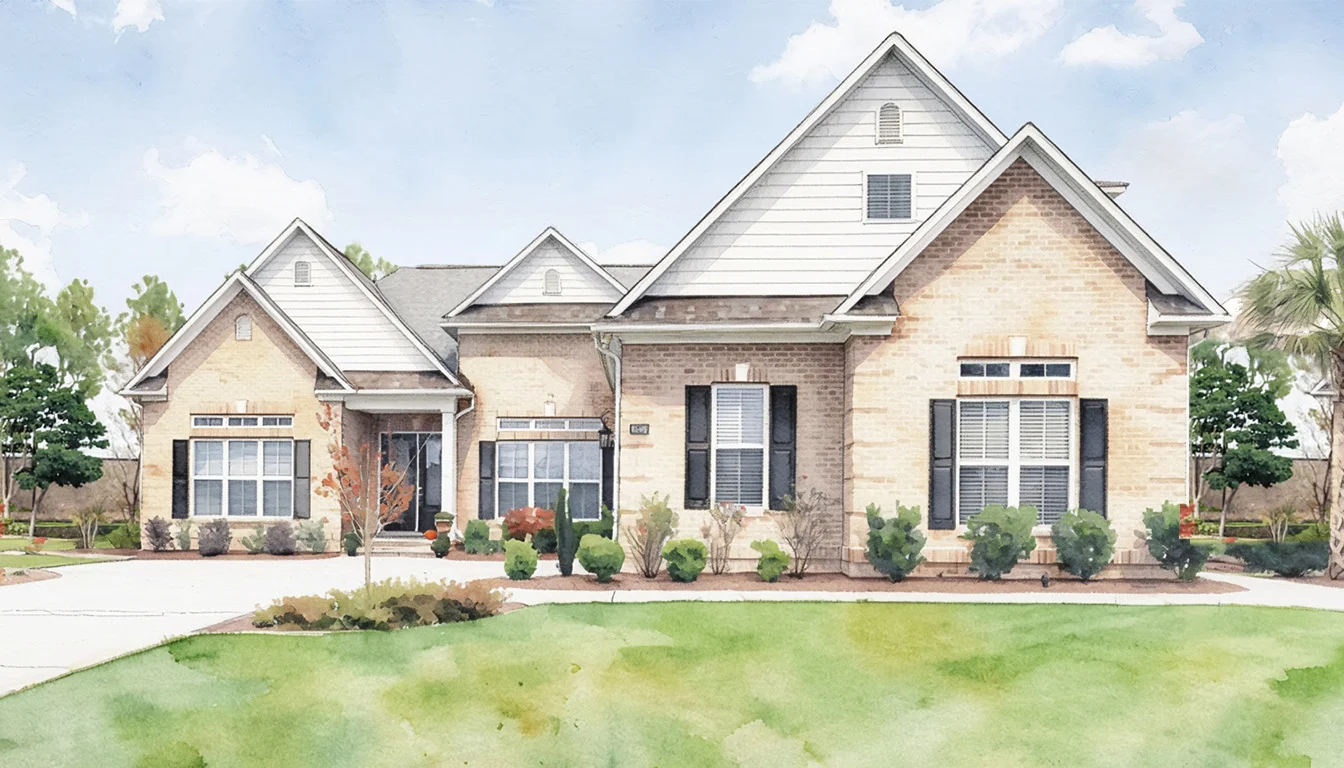
It can be tempting to approach each room as a separate project, but the home should still feel connected as you move from one space to another.
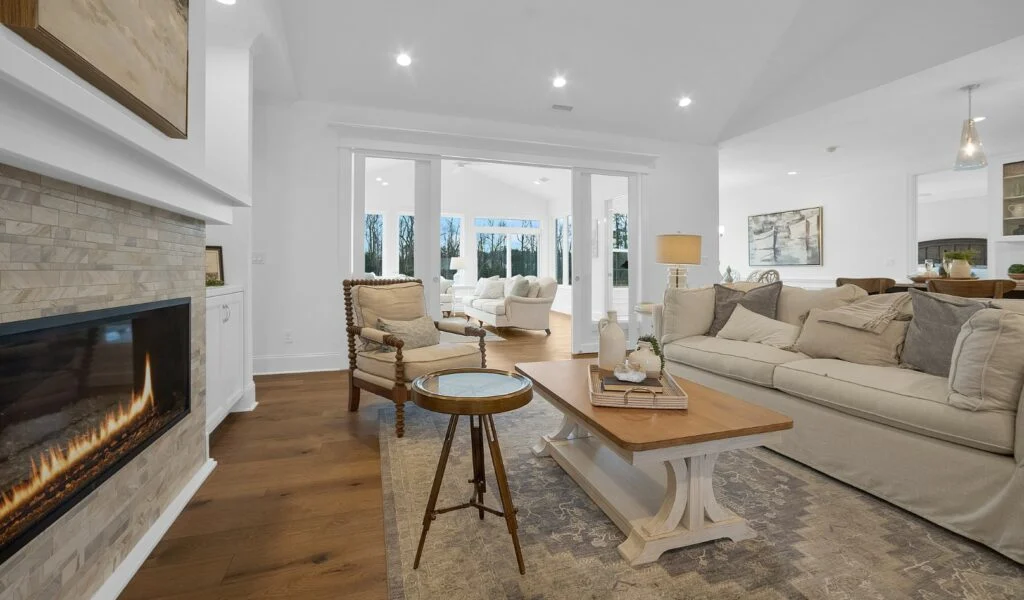
Consider choosing a consistent foundation that can continue throughout the main living areas. Flooring, wall colors, cabinetry, hardware, and trim can help establish that foundation. Individual rooms can then have their own personality through tile, lighting, accent colors, or other details.
This does not mean every room needs to look the same. A coordinated home can still include variety while maintaining a sense of balance and continuity.
Consider How Materials Will Be Used
Appearance matters, but your selections also need to work for your everyday routines. Think about the amount of activity each room will receive and how much maintenance you are comfortable managing.
A busy kitchen, frequently used entry, or home with pets may benefit from durable, easy-to-clean surfaces. A quieter bathroom or guest room may give you more flexibility to choose materials based primarily on appearance.
As you review different options, consider:
The most successful selections are often the ones that balance style with practical use.
Keep Your Priorities in Mind
Not every finish will carry the same level of importance for every homeowner. One person may care most about the kitchen countertops, while another may want to focus on flooring, the primary bathroom, or statement lighting.
Before your meetings, identify the areas where you are most interested in adding a personal touch. It may help to separate your ideas into must-haves, preferences, and options you are willing to reconsider.
Once you have a general direction in mind, focus on a smaller group of choices that support it. More options do not always make decisions easier, and narrowing the selection can help you compare materials without feeling distracted by every available finish or upgrade.
Professional design guidance can also help you coordinate colors, compare materials, and understand how individual choices will look together. You do not need to arrive with every detail decided. Knowing what matters most to you is a strong place to begin.
Bring Helpful Information with You
In addition to inspiration photos, bring any information that may affect your selections. This could include furniture you plan to use, colors you already love, or materials you would rather avoid.
Photos of existing furniture can be especially useful when choosing flooring, paint, and cabinetry. You do not need to match every item exactly, but understanding what will be placed in the home can help create a more cohesive result.
It is also helpful to be honest about your preferences. If you dislike a popular trend or know that a certain material will not work for your lifestyle, share that information early.
Enjoy Bringing Your Home to Life
Design selections are more than a list of materials. They are the details that turn a floorplan into a home that feels personal, comfortable, and suited to the way you live.
By gathering inspiration, thinking about your priorities, and considering how each space will be used, you can arrive at your meetings feeling more prepared. With guidance from the Horizon Homes team, you can move through each decision one step at a time and enjoy seeing your ideas come together.